



.webp)


Summary: Telehealth physical therapy remains a durable part of hybrid rehab care, though Medicare coverage has been extended through short-term legislation rather than made permanent. Under the Consolidated Appropriations Act, 2026 (H.R. 7148, signed Feb 3, 2026), Medicare covers PT/OT/SLP telehealth—including audio-only—through December 31, 2027, with no in-person-visit prerequisite (unlike mental health telehealth). The PT Compact now spans 41 states, and private-payer telehealth coverage is close to universal, though payment parity varies widely by state. For practices building or refining a telehealth program, SPRY offers an all-in-one platform combining EMR, scheduling, billing, and HIPAA-compliant telehealth.
Physical therapy has undergone a remarkable transformation. What began as an emergency response during the COVID-19 pandemic has evolved into a fundamental shift in how rehabilitation services are delivered. Today, telehealth physical therapy represents not just an alternative to in-person care, but a powerful tool that enhances patient outcomes, improves accessibility, and strengthens practice efficiency.
The scale of that shift is well documented. In an APTA member survey taken before COVID-19, 98% of physical therapists reported they were not providing live video visits at all. By July 2020, at the height of pandemic restrictions, 47% of PTs said they were delivering live video consults — though most of that early adoption was light: only 13% were seeing more than 10 patients a week by video, while 32% saw fewer than one. Telehealth in PT went from nearly nonexistent to mainstream in a matter of months, even if it never became the dominant delivery mode. Today it functions as one part of a broader hybrid care model rather than a replacement for hands-on treatment — a shift covered in more depth in our look at where the PT industry is headed in 2026.
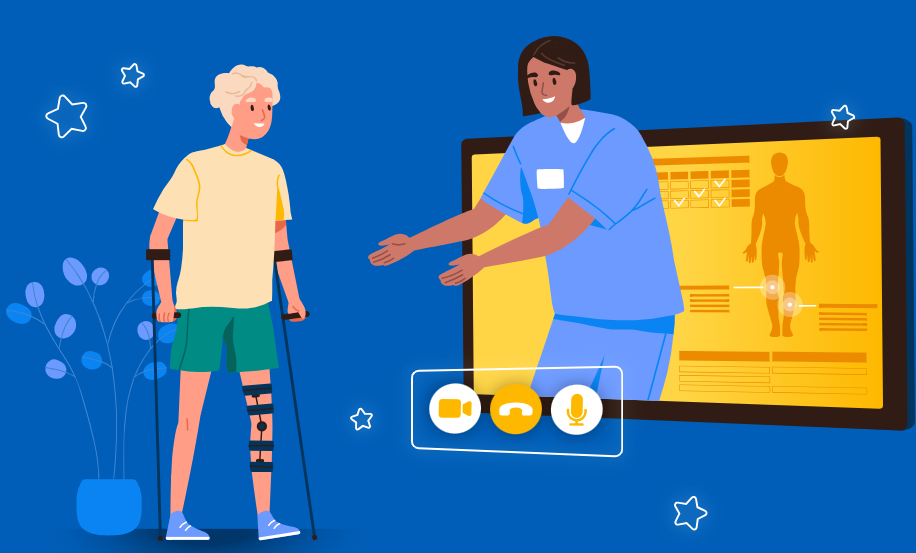
No-show reduction is one of the more consistently reported benefits of virtual visits, though the evidence is drawn from telemedicine broadly rather than PT specifically. A 2025 analysis of outpatient telemedicine visits published in the Journal of Telemedicine and Telecare found that video visits cut the odds of a no-show by about 15% compared with in-person visits, and phone visits cut the odds by roughly 50%. Individual PT practices report meaningfully better attendance on telehealth days than in-person days, but treat any specific percentage as a starting hypothesis to test against your own scheduling data rather than an industry-wide guarantee.
This comprehensive guide will equip you with everything needed to understand, implement, and optimize telehealth physical therapy in your practice. Whether you're exploring telehealth for the first time or looking to enhance existing virtual care capabilities, you'll discover practical strategies, regulatory considerations, platform requirements, and success metrics that matter.
What is Telehealth Physical Therapy?
Telehealth physical therapy encompasses the delivery of rehabilitation services through digital communication technologies. Rather than requiring patients to travel to a clinic, therapists connect with patients virtually through video consultations, remote monitoring tools, and digital exercise platforms.
The scope extends beyond simple video calls. Modern telehealth physical therapy includes comprehensive assessment capabilities, movement analysis through smartphone cameras, personalized exercise prescription with video demonstrations, progress tracking through wearable devices or patient-reported outcomes, and ongoing communication through secure messaging systems.
The 2026 Regulatory Landscape
The regulatory environment for telehealth physical therapy has been anything but settled since the pandemic emergency measures ended. Coverage has been extended repeatedly through short-term legislation rather than made permanent, and practices that assumed otherwise have been caught off guard more than once. Understanding the current rules — and how they got here — is essential for compliant practice.
Medicare Coverage
Medicare telehealth flexibilities for physical, occupational, and speech therapy have survived a genuinely bumpy 2025–2026. The Consolidated Appropriations Act of 2023 extended pandemic-era rules temporarily — it was never made permanent, despite that being a common assumption. Those flexibilities then lapsed for the first time when a 43-day federal government shutdown (September 30–November 12, 2025) interrupted the funding bill that kept them alive; Congress restored coverage retroactively and pushed the deadline to January 30, 2026. A further short gap followed before, on February 3, 2026, the Consolidated Appropriations Act, 2026 (H.R. 7148) was signed into law, extending Medicare telehealth flexibilities for PT, OT, SLP, and audiology services — with retroactive coverage for the brief lapse between January 31 and February 3, 2026.
- PTs, OTs, and SLPs can furnish and bill Medicare telehealth services through December 31, 2027 under current law
- Geographic and originating-site restrictions remain waived — beneficiaries can receive covered services from anywhere in the U.S. and its territories, including from home
- Audio-only telehealth also remains covered through December 31, 2027, billed with modifier 93
- Unlike Medicare's telehealth rules for mental health services, there is no requirement that a PT, OT, or SLP have seen the patient in person before starting telehealth care or at any set interval afterward — that in-person-visit rule under Section 1834(m) applies specifically to behavioral health telehealth, not to therapy services
- Starting January 1, 2028, current law reverts to pre-pandemic restrictions for non-behavioral-health telehealth (generally requiring the beneficiary to be at a qualifying facility in a rural area) unless Congress acts again before then
Because this has been extended through short-term legislation rather than settled permanently, treat December 31, 2027 as a checkpoint to monitor — not a guarantee — and verify current status directly with CMS.gov before relying on it for a new program launch.
State Licensure Requirements
- PTs must hold an active license in the patient's location state during the telehealth session
- The PT Compact has grown to 41 member states, of which 38 are actively issuing and accepting compact privileges (Maine, Michigan, and Rhode Island have joined but are not yet issuing privileges)
- The compact allows licensed therapists to practice across member states without a separate license in each one
- This significantly simplifies multi-state practice for qualified providers, particularly for hybrid and telehealth-only programs serving patients near state lines
HIPAA Compliance
- All telehealth platforms must be HIPAA-compliant (non-negotiable)
- Required features:
- End-to-end encryption
- Secure data storage
- Proper business associate agreements (BAAs)
- HHS's temporary enforcement discretion for telehealth platforms ended when the COVID-19 public health emergency expired on May 11, 2023
- Consumer-grade video platforms (Zoom, FaceTime, etc.) without a signed BAA are not permitted for clinical use
Reimbursement Parity
"Parity" gets used loosely, and the details matter more than the headline. Per the Center for Connected Health Policy's (CCHP) Fall 2025 state telehealth policy survey, most states — 44, plus D.C. and several territories — have some private-payer law addressing telehealth reimbursement, meaning insurers generally have to cover telehealth visits at all. Payment parity, which requires paying the same rate as an equivalent in-person visit, is far narrower: CCHP's survey identifies roughly a dozen states with strict payment-parity requirements, with a wider group of states requiring only that certain CMS-recognized codes be reimbursed at parity. In practice this means coverage of telehealth is close to universal among private payers, but the payment rate is not — verify both coverage and payment parity separately, by state and by payer, before assuming a telehealth visit will reimburse the same as an in-person one.
AspectTelehealth TherapyIn-Person TherapyBest Use CasesPost-surgical follow-ups, chronic care, movement education, visual assessments, home safety checksComplex evaluations, acute injuries, manual therapy, vestibular rehab, low tech accessAdvantagesConvenient, reduces travel, frequent check-ins, supports ongoing careHands-on assessment, access to equipment, precise manual interventionsLimitationsNo manual therapy, depends on tech quality, limited tactile feedbackRequires travel, higher costs, fewer session touchpointsBest ApproachHybrid model combining telehealth convenience with in-person precision for optimal outcomesHybrid model ensures comprehensive, patient-centered care
Telehealth PT Coverage at a Glance, by Payer Type
Coverage rules vary enough by payer that it's worth keeping a quick reference on hand. This is a starting point, not a substitute for benefits verification on each patient.
Payer TypeCurrent Coverage StatusKey NotesMedicareCovered through Dec 31, 2027 (CAA 2026 / H.R. 7148)Live video and audio-only both covered; no in-person-visit prerequisite for PT/OT/SLP; reverts to rural/facility-based rules Jan 1, 2028 absent further actionState MedicaidVaries by stateNearly all states cover some live-video PT/OT/SLP telehealth under Medicaid, but originating-site, audio-only, and modality rules differ — check your state's Medicaid provider manualCommercial / PrivateCoverage near-universal; payment parity inconsistent44 states plus D.C. have some private-payer telehealth law (CCHP, Fall 2025); only a subset require paying the same rate as in-person — verify per planTRICARECoveredFollows many Medicare telehealth conventions; confirm current regional contractor rules before billingWorkers' CompensationVaries by state and carrierNot governed by Medicare or CCHP parity rules; confirm telehealth eligibility with the adjuster or carrier before scheduling
Core Telehealth Features Every Platform Should Have
Selecting the right telehealth platform represents one of the most important decisions in building a successful virtual care program. Not all platforms are created equal, and understanding essential versus optional features helps you make an informed choice.
1. Video Consultation Capabilities
High-quality video forms the foundation of effective telehealth physical therapy. Look for platforms offering HD video quality (minimum 720p, ideally 1080p) that maintains stability even with moderate bandwidth limitations. The ability to record sessions (with patient consent) creates valuable documentation and allows patients to review exercises demonstrated during the visit.
Screen sharing functionality enables therapists to review imaging, share educational materials, and demonstrate exercises using pre-recorded videos. Mobile device compatibility is non-negotiable, as many patients will connect from smartphones or tablets rather than computers.
2. Remote Patient Monitoring
Effective telehealth extends beyond scheduled video sessions. Remote monitoring tools enable continuous engagement between visits, capturing data that informs clinical decision-making.
Patient-reported outcome measures (PROMs) should be easily administered through the platform, with automated reminders increasing completion rates. Integration with wearable devices and fitness trackers provides objective activity data, movement quality metrics, and adherence patterns. Some advanced platforms incorporate AI-powered movement analysis that uses smartphone cameras to assess exercise form and provide corrective feedback.
3. Digital Exercise Prescription
Home exercise programs form the cornerstone of physical therapy, making digital exercise prescription capabilities essential. Platforms should offer comprehensive exercise libraries with professional video demonstrations filmed from multiple angles.
Customization features allow therapists to modify exercises, adjust parameters like sets and repetitions, and add specific instructions or precautions. The ability to create branded content featuring your own therapists demonstrating exercises can significantly enhance patient engagement and program compliance.
Patient accessibility features including written instructions, visual cues, and audio descriptions accommodate different learning styles. Progress tracking allows patients to log completed exercises, report difficulty or pain levels, and view their adherence trends over time.
4. Secure Messaging
Asynchronous communication between scheduled visits improves outcomes and patient satisfaction. Secure messaging must comply with HIPAA requirements while remaining user-friendly for both therapists and patients.
Features to prioritize include threaded conversations that maintain context, file attachment capabilities for images or documents, automated response acknowledgment, and notification systems that alert therapists to urgent messages without creating alert fatigue.
5. Documentation Capabilities
Clinical documentation for telehealth visits must meet the same standards as in-person care while addressing virtual care's unique aspects. Platforms should offer telehealth-specific documentation templates that prompt inclusion of required elements like patient location, technology used, and verbal consent.
Integration with your existing electronic medical records (EMR) system eliminates duplicate documentation and maintains comprehensive patient records. Voice-to-text capabilities and mobile documentation tools improve efficiency, allowing therapists to complete notes during or immediately after sessions.
Comparative Analysis: Leading Telehealth Physical Therapy Companies
The telehealth physical therapy market has matured considerably, with several companies offering specialized platforms designed specifically for rehabilitation professionals. Understanding the landscape helps practices select solutions aligned with their specific needs and workflows. Pricing below is approximate and changes frequently — confirm current rates directly with each vendor before budgeting.
PlatformBest ForKey StrengthsPricing ModelIntegration CapabilitiesSPRYMulti-location practices seeking comprehensive solutionsEnd-to-end platform including EMR, scheduling, billing, and telehealth; robust reporting and analytics; strong customer supportCustom pricing based on practice size and modules — request a quoteIntegrates with major EMR systems; native payment processing; referral managementClinicient (WebPT)Documentation-driven outcomes trackingInsight platform (now part of the WebPT family since WebPT's 2021 acquisition of Clinicient) pairs telehealth with outcomes analytics and clinical documentationCustom / tiered pricing — request a quoteIntegrates natively with WebPT and select EMR platformsMedBridgeEducation-focused practicesCombines patient engagement with continuing education for providers; evidence-based content; outcome trackingSubscription plus annual platform fee — request a quoteLimited EMR integration; primarily standalone systemPhysitrackInternational practices or solo practitionersLarge multi-language exercise library; patient app highly rated; positioned as an affordable option for smaller practicesPer-provider subscription — request a quoteBasic integrations with select EMR systems; API available
Detailed Platform Capabilities
SPRY Physical Therapy represents a comprehensive practice management solution that extends beyond telehealth to address the entire patient journey. Its telehealth module integrates seamlessly with scheduling, allowing patients to book virtual appointments through the same portal used for in-person visits. The platform's HD video consultations support screen sharing, enabling therapists to review imaging or demonstrate exercises using multimedia content.
SPRY's remote home exercise program (HEP) includes video demonstrations viewable within the patient portal, and patients can log completed exercises with difficulty ratings. The secure messaging system maintains HIPAA compliance while facilitating asynchronous communication. Documentation templates specifically designed for virtual visits ensure proper compliance and billing. The platform's hybrid workflow management allows practices to seamlessly blend in-person and virtual care, with automated reminders and follow-up protocols customizable to each patient's care plan. SPRY's AI-powered documentation and billing tools also help close the loop on telehealth-specific note requirements before claims go out the door.
Clinicient Insight, which became part of the WebPT family after WebPT's 2021 acquisition of Clinicient, pairs telehealth with outcomes-focused documentation. Its strength is tying visit notes directly to functional outcome measures, which appeals to practices that want telehealth adoption to show up in their outcomes reporting, not just their schedule.
MedBridge differentiates itself by combining patient care tools with extensive continuing education resources for providers. This dual focus appeals to practices emphasizing evidence-based care and ongoing professional development. The platform includes a large library of patient education videos, outcome measure tracking, and telehealth capabilities.
Physitrack offers perhaps the most extensive international presence among the platforms compared here, with an exercise library translated into dozens of languages. This makes it particularly valuable for practices serving diverse patient populations or operating internationally. The platform's mobile-first design and competitive pricing make it accessible for solo practitioners and small practices.
Technical Requirements
Therapist Equipment:
- HD webcam (1080p minimum) - clearer video than built-in laptop cameras for movement assessment
- Professional headset with noise cancellation - ensures clear audio in busy clinic environments
- Adequate lighting - natural or soft LED sources prevent shadows that obscure movement
- Neutral background - dedicated office space or virtual background minimizes distractions
Internet Connectivity:
- Wired connections preferred over Wi-Fi for greater stability
- Minimum bandwidth: 3 Mbps upload/download for HD video
- Recommended: 5+ Mbps provides buffer for consistent quality
- Backup connection (mobile hotspot) available for contingency
Patient Requirements:
- Device: Smartphone, tablet, or computer with camera and microphone
- Internet speed: Meet recommended bandwidth requirements
- Space: Minimum 6x6 feet for movement assessment
- Lighting: Proper lighting for visibility
- Setup: Stable surface for device placement at appropriate height
- Pre-visit checklist provided to set clear expectations
Staff Training Considerations
Platform Proficiency:
- Hands-on training for all staff interacting with telehealth system
- Multiple practice sessions - staff connect as mock patients
- Troubleshooting training for common technical issues
- Navigation practice for all platform features used regularly
- Quick-reference guides created and kept accessible during implementation
Virtual Clinical Skills:
- Virtual movement assessment - demonstration and practice with colleagues
- Verbal cueing proficiency without hands-on guidance
- Remote exercise modification based on patient performance
- Clinical decision-making protocols specific to virtual care
- Transition protocols - knowing when to move patients to in-person visits
Communication Skills:
- Camera engagement - maintaining connection through screen
- Active listening techniques adapted for video format
- Professional handling of technology disruptions
- Rapport building despite physical distance
Patient Onboarding Best Practices
Pre-Visit Preparation (24-48 hours before appointment):
- Welcome video demonstrating what to expect
- Technical requirements checklist
- Platform access instructions with login credentials
- Technical support contact information
- FAQ document about virtual visit process
Technology Test Session:
- Optional 5-10 minute pre-appointment tech check
- Benefits:
- Confirm setup works properly
- Familiarize with platform interface
- Test audio and video quality
- Ask questions without consuming clinical time
First Visit Structure:
- Extra time built in for technical issues and patient acclimation
- Informal conversation to establish rapport and help patients relax
- Clear explanation of session flow and how assessment differs from in-person
- Set expectations about patient positioning, actions, and communication
Hybrid Care Workflow Examples
Post-Surgical Rehabilitation:
- Initial evaluation + 2-3 early sessions: In-person to establish baseline and teach exercises
- Mid-rehabilitation: Alternating virtual/in-person visits
- Virtual: Exercise progression, pain monitoring, activity modification
- In-person: Manual therapy when needed
- Increased in-person frequency if complications arise
- Final discharge visit: In-person for comprehensive reassessment and long-term planning
Chronic Pain Management:
- Initial visit: In-person comprehensive evaluation including movement assessment
- Follow-up: Virtual visits every 1-2 weeks
- Exercise progression
- Pain management strategy adjustment
- Ongoing support
- Monthly in-person visits for hands-on intervention and detailed reassessment
- Benefits: Frequent touchpoints can improve engagement while reducing patient travel burden
Wellness and Prevention Programs:
- Initial visit: In-person to establish baseline and build relationship
- Regular sessions: Virtual (weekly to monthly)
- Ongoing support
- Exercise progression
- Accountability
- Quarterly reassessments: In-person to track objective progress and adjust goals
- Ideal for: Predominantly virtual delivery with strategic in-person touchpoints
Success Metrics and Key Performance Indicators
Measuring telehealth program performance enables data-driven optimization and demonstrates value to stakeholders. Track metrics across multiple dimensions to develop a comprehensive understanding of program effectiveness — and treat industry-wide benchmarks as a rough compass rather than a precise target, since rigorous PT-specific telehealth outcomes research is still relatively limited.
Patient Access and Engagement Metrics
Appointment Availability: Track the average number of days from request to available appointment for both telehealth and in-person visits. Telehealth should reduce this metric by eliminating geographic constraints and enabling more flexible scheduling.
No-Show Rates: Track no-show rates separately for virtual versus in-person appointments. As noted above, the strongest available evidence comes from telemedicine research broadly rather than PT specifically — a 2025 study in the Journal of Telemedicine and Telecare found video visits reduced no-show odds by roughly 15% and phone visits by roughly 50% versus in-person care. Use your own historical no-show rate as the real baseline and measure the change after launching telehealth.
Treatment Adherence: Measure the percentage of patients completing prescribed treatment plans without premature discontinuation. Track exercise completion rates through your digital platform, comparing patients with versus without access to remote HEP tools, and use that comparison — not a generic industry figure — to judge whether your remote monitoring tools are moving the needle.
Patient Satisfaction: Administer satisfaction surveys after both telehealth and in-person visits to identify experience differences. Track Net Promoter Score (NPS) specifically for telehealth services over time; the value of NPS here is in the trend for your own program, since a validated PT-telehealth-specific NPS benchmark doesn't yet exist in the published literature.
Clinical Outcome Metrics
Functional Improvement: Track patient-reported outcome measures (PROMs) and functional outcome tests consistently across both in-person and telehealth patients. Common tools include the Lower Extremity Functional Scale (LEFS), Quick DASH for upper extremity, and Oswestry Disability Index for low back pain. Quality telehealth programs aim for outcomes comparable to traditional care for appropriate patient populations — confirm this against your own outcomes data rather than assuming parity.
Time to Functional Goals: Measure the number of visits required for patients to achieve predetermined functional goals. Hybrid care models can reduce total time to goal achievement by enabling more frequent touchpoints without proportional increases in patient burden or practice costs.
Discharge Status: Track the percentage of patients discharged having met their goals versus those who discontinue prematurely or are lost to follow-up.
Operational and Financial Metrics
Provider Productivity: Calculate visits per day and revenue per hour for telehealth versus in-person care. Many practices find telehealth enables slightly higher visit volumes due to eliminated room turnover time, though this must be balanced against clinical quality and provider satisfaction.
Cost Per Visit: Calculate total program costs (platform fees, training, equipment, support staff time) divided by total telehealth visits delivered. As programs mature and scale, cost per visit should decline.
Revenue Capture: Track clean claim rates and average reimbursement for telehealth visits compared to in-person care using your billing and revenue cycle platform. Address any disparities through documentation improvements or payer relationship management, and monitor days in accounts receivable specifically for telehealth claims to identify potential billing issues early.
Return on Investment: Calculate comprehensive ROI considering platform costs, equipment investments, training time, and support staff requirements against revenue generated, reduced overhead per visit, decreased no-show losses, and increased patient retention.
The table below is an illustrative template — not published benchmark data — for how a practice might structure a telehealth KPI dashboard. Replace every figure with your own baseline and current numbers before using it operationally.
Metric CategoryKey IndicatorYour Baseline (Pre-Telehealth)Your Current PerformanceTarget DirectionAccessAverage Days to Appointment[fill in][fill in]LowerEngagementNo-Show Rate (telehealth vs. in-person)[fill in][fill in]LowerEngagementTreatment Plan Completion[fill in][fill in]HigherEngagementExercise Adherence Rate[fill in][fill in]HigherClinicalAverage Functional Gain (e.g., LEFS)[fill in][fill in]HigherClinicalGoal Achievement at Discharge[fill in][fill in]HigherOperationalProvider Visits per Day[fill in][fill in]Higher (without quality loss)FinancialClean Claim Rate[fill in][fill in]HigherFinancialNet Revenue per Visit[fill in][fill in]HigherSatisfactionPatient NPS Score[fill in][fill in]Higher
Addressing Limitations and Challenges
Transparent acknowledgment of telehealth's limitations builds credibility with patients and colleagues while enabling proactive mitigation strategies. No healthcare delivery model suits every situation, and telehealth physical therapy is no exception.
Clinical Limitations
Hands-On Assessment and Treatment: The most obvious limitation involves physical touch. Palpation for tissue texture changes, joint mobility assessment, muscle tone evaluation, and manual therapy techniques all require physical presence. Practices must establish clear protocols for when patients should transition to in-person care and educate patients upfront about these limitations.
Movement Quality Assessment: While video enables visual assessment, subtle movement dysfunctions may be missed compared to in-person observation from multiple angles. Camera angles, lighting, and video quality constraints can obscure important clinical details. Compensatory strategies include requesting specific camera positions, using slow-motion video review when available, and maintaining a lower threshold for in-person visits when assessment uncertainty exists.
Emergency Situations: Telehealth provides limited capability to respond to acute medical emergencies occurring during visits. Establish protocols for emergency situations including maintaining current emergency contact information for each patient, knowing the patient's physical location for every visit, having local emergency services contact information readily available, and clear escalation procedures if concerning symptoms develop.
Technology Barriers
Digital Literacy: Not all patients possess equal comfort with technology. Older adults, individuals with cognitive impairments, or those with limited technology exposure may struggle with platform navigation, troubleshooting, or even basic video call participation. Mitigation strategies include offering caregiver involvement for patients needing support, providing simplified written instructions with screenshots, maintaining phone-based support for technology questions, and offering in-person alternatives without stigma.
Access Inequities: Socioeconomic factors create digital divides that can exclude vulnerable populations from telehealth benefits. Limited broadband access in rural or underserved areas, lack of adequate devices (smartphone, tablet, or computer), data plan costs for mobile connections, and absence of private space for confidential healthcare conversations all represent barriers. Practices committed to health equity must maintain robust in-person options and consider providing device lending programs or partnering with community organizations to expand access.
Platform Reliability: Technology failures occur regardless of preparation. Internet outages, platform server issues, device malfunctions, and software bugs can disrupt scheduled visits. Establish backup communication plans (phone number for immediate contact), flexible rescheduling policies for technology-related cancellations, documentation procedures for attempted but failed visits, and regular technology infrastructure maintenance.
Reimbursement Challenges
Despite improvements in telehealth reimbursement policy, challenges persist. Coverage varies significantly by payer, with some insurers maintaining restrictions on covered services, visit frequency, or eligible patient populations. Credentialing requirements may differ for telehealth versus in-person care. Documentation requirements often exceed those for traditional visits.
Successful practices address these challenges through rigorous benefits verification before initiating telehealth care, comprehensive staff training on telehealth-specific billing codes and modifiers, detailed documentation meeting payer requirements, and proactive payer relationship management to address claim denials quickly.
Best Practices for Limitation Management
Set Clear Expectations: Educate patients before their first telehealth visit about what can and cannot be accomplished virtually. This prevents disappointment and builds realistic expectations that support positive experiences.
Maintain Clinical Judgment: Resist pressure to deliver all care virtually when clinical indicators suggest in-person assessment or treatment would be more appropriate. Professional judgment must prioritize patient safety and optimal outcomes over convenience.
Continuous Quality Improvement: Regularly review telehealth visits that required transition to in-person care, patient complaints, or suboptimal outcomes to identify patterns and improve clinical decision-making about modality selection.
Hybrid by Default: Adopt a "hybrid first" rather than "telehealth first" or "in-person first" mindset. This approach enables strategic deployment of each modality where it delivers maximum value, creating better overall outcomes than either modality alone.
How to Bill for Telehealth Physical Therapy Sessions
To bill telehealth PT sessions today, use standard PT CPT codes with POS 10 if the patient is at home or POS 02 if they are at any other location. Medicare identifies telehealth through place-of-service codes — no GT modifier is required for audio-video sessions billed to Medicare (that requirement was retired for professional claims back in 2018; it survives only for Critical Access Hospitals billing under Method II). Commercial payers typically require modifier 95 for synchronous audio-video visits. CPT 97140 (manual therapy) cannot be billed via telehealth under any payer, as it requires physical contact. As covered above, Medicare telehealth coverage for PT, OT, and SLP currently runs through December 31, 2027 under the Consolidated Appropriations Act, 2026.
Which PT CPT Codes Are Covered via Telehealth?
CPT CodeServiceTelehealth Eligible?97110Therapeutic exerciseYes — active PT supervision required throughout97112Neuromuscular re-educationYes97530Therapeutic activitiesYes97535Self-care / home management trainingYes97161PT evaluation — low complexityYes97162PT evaluation — moderate complexityYes97163PT evaluation — high complexityYes97164PT re-evaluationYes97140Manual therapyNo — requires physical contact97010Hot/cold packNo — requires in-person application97014 / G0283Electrical stimulationNo — requires in-person application97035UltrasoundNo — requires in-person application
Note on 97110 via telehealth: The PT must actively supervise and engage with the patient throughout the session. Billing 97110 while a patient independently performs exercises on a video call does not meet Medicare's requirement.
POS 02 vs POS 10 — This Determines How Much You Get Paid
POS code selection is one of the most common telehealth billing errors in PT — and it directly affects reimbursement.
POS 10 — Telehealth in Patient's Home: Use when the patient connects from their home. Pays at the higher non-facility rate, equivalent to in-office reimbursement.
POS 02 — Telehealth Outside Patient's Home: Use when the patient connects from a clinic, workplace, school, or any non-home location. Pays at the lower facility rate.
Document the patient's location in every telehealth note — "Patient participated via synchronous audio-video connection from their home" satisfies payer audit requirements and supports the POS code on the claim.
Modifier GT is not used for Medicare telehealth claims. This isn't a new 2026 change — Medicare moved from modifier GT to POS-based reporting for professional claims back in 2018. Confirm any billing templates or clearinghouse rules still referencing GT for Medicare are updated; the only current Medicare exception is Critical Access Hospitals billing under Method II.
The telephone E/M codes 99441–99443 were deleted from the CPT code set effective January 1, 2025 and replaced with a new telemedicine E/M family (98000–98016). These are typically physician/NP E/M codes rather than standard PT billing codes, but if your system still has legacy 99441–99443 templates anywhere in your workflow, retire them: claims submitted with deleted codes are denied. For a brief virtual check-in (roughly 5–10 minutes, established patients), CPT 98016 is the Medicare-payable replacement for the old G2012 virtual check-in code.
The Future of Telehealth Physical Therapy
Several emerging trends promise to further transform telehealth physical therapy delivery and effectiveness in the years ahead.
Artificial Intelligence and Machine Learning: AI-powered movement analysis tools are becoming increasingly sophisticated, using smartphone or webcam video to assess movement quality, provide real-time feedback, and track progress over time. These tools may eventually enable automated exercise form correction and risk assessment, though they will supplement rather than replace clinical judgment.
Wearable Device Integration: Expanding integration between telehealth platforms and consumer wearables will provide therapists with continuous activity data, movement patterns, and even fall detection alerts. This objective information will increasingly inform clinical decision-making and enable earlier intervention when patients deviate from expected recovery trajectories.
Virtual Reality and Augmented Reality: VR and AR technologies are entering clinical rehabilitation, offering immersive exercise environments, gamified therapy experiences, and enhanced patient engagement. While currently expensive and technologically complex, these tools will become more accessible and may prove particularly valuable for neurological rehabilitation and chronic pain management.
Predictive Analytics: As telehealth platforms accumulate larger datasets, predictive analytics will help identify patients at risk for poor outcomes, optimal treatment approaches based on patient characteristics, and efficient hybrid care schedules tailored to individual needs.
Expanded Scope and Integration: Telehealth physical therapy will increasingly integrate with broader healthcare ecosystems, including coordinated care with physicians, nutritionists, and mental health providers through shared platforms, integration with population health management programs, and direct-to-consumer telehealth models that bypass traditional referral requirements. As of mid-2026, every state plus D.C. and the U.S. Virgin Islands permits some form of direct access to physical therapy without a physician referral, which pairs naturally with telehealth's own reduction in access friction.
Conclusion: Taking Your Next Steps
Telehealth physical therapy has transitioned from emergency response to essential capability. The evidence is clear: properly implemented telehealth programs can improve patient access, increase engagement, and strengthen practice efficiency. Yet success requires more than technology adoption — it demands strategic planning, comprehensive training, continuous optimization, and commitment to quality care regardless of delivery modality, all while keeping an eye on the regulatory calendar, since coverage rules have shown they can change with little notice.
Action Steps for Getting Started
Immediate (This Week):
- Assess your current patient population to identify those who would benefit most from telehealth access
- Survey your team about their telehealth experience, concerns, and training needs
- Review your current technology infrastructure and identify any gaps
- Research relevant regulations and payer policies in your state
Short-Term (This Month):
- Evaluate telehealth platforms using the criteria outlined in this guide
- Schedule demonstrations from 2-3 leading platforms
- Develop a preliminary budget including platform costs, equipment, and training
- Identify an internal champion who will lead implementation
Medium-Term (Next Quarter):
- Select your telehealth platform and complete contracting
- Invest in necessary equipment and ensure adequate internet connectivity
- Conduct comprehensive staff training on both technology and virtual clinical skills
- Develop patient education materials and onboarding processes
- Launch with a pilot group of appropriate patients
Long-Term (Next Six Months):
- Systematically track key performance indicators and adjust based on data
- Gather patient and staff feedback to identify improvement opportunities
- Refine your hybrid care protocols based on outcomes
- Expand telehealth access to additional patient populations as appropriate
The Path Forward
The ultimate measure of telehealth success isn't technology adoption — it's whether you're delivering better care to more patients more efficiently. The practices achieving the greatest success with telehealth share common characteristics: they embrace technology as a tool for enhancing rather than replacing clinical expertise, they maintain flexible approaches that deploy each care modality strategically, they invest in comprehensive training and ongoing quality improvement, and they keep patient outcomes and experience at the center of every decision.
Telehealth physical therapy isn't the future — it's the present. The question is no longer whether to adopt telehealth, but how to implement it effectively to serve your patients and strengthen your practice. With the insights and strategies outlined in this guide, you're equipped to take that journey successfully.
Frequently Asked Questions
How do you bill for telehealth PT sessions?
Use standard PT CPT codes (97110, 97112, 97530, 97161–97163, etc.) with POS 10 if the patient is at home or POS 02 if they are elsewhere. Medicare requires no GT modifier for audio-video sessions — it identifies telehealth through POS codes, and has since 2018. Commercial payers typically require modifier 95. CPT 97140 cannot be billed via telehealth, as it requires physical contact. Medicare telehealth coverage for PT is currently authorized through December 31, 2027 under the Consolidated Appropriations Act, 2026 — verify current status with CMS before relying on it, since it has been extended through short-term legislation rather than made permanent.
What CPT codes are covered for telehealth physical therapy?
PT CPT codes covered via telehealth include 97110 (therapeutic exercise), 97112 (neuromuscular re-education), 97530 (therapeutic activities), 97535 (self-care training), and 97161–97164 (evaluations and re-evaluation). CPT 97140 (manual therapy) and modalities (97010, 97014, 97035) cannot be billed via telehealth, as they require physical contact.
What is the difference between POS 02 and POS 10 for telehealth PT billing?
POS 10 (telehealth in the patient's home) pays at the higher non-facility rate — equivalent to in-office reimbursement. POS 02 (telehealth outside the patient's home) pays at the lower facility rate. Use POS 10 when the patient connects from home and document their location in the clinical note.
Is modifier GT still required for Medicare telehealth PT claims?
No. Medicare identifies telehealth through POS codes (02 or 10), not modifier GT — this has been true for professional claims since 2018, not a recent change. The only current exception is Critical Access Hospitals billing under Method II. Commercial payers still typically require modifier 95 for synchronous audio-video sessions.
Does Medicare cover audio-only PT telehealth?
Yes — Medicare covers audio-only PT telehealth through December 31, 2027 under the Consolidated Appropriations Act, 2026, billed with modifier 93. Most commercial payers restrict audio-only coverage to behavioral health only — verify per plan before billing.
Can PT evaluations be conducted and billed via telehealth?
Yes. PT evaluation codes 97161 (low complexity), 97162 (moderate complexity), 97163 (high complexity), and 97164 (re-evaluation) are all eligible for telehealth billing under Medicare and most commercial payers. Document the telehealth delivery method and patient location in the evaluation note.
Does Medicare require a PT to see a patient in person before starting telehealth care?
No. Unlike Medicare's telehealth rules for mental health services — which require an in-person visit within 6 months before the first telehealth visit and at least annually afterward — that requirement does not apply to physical, occupational, or speech therapy telehealth. PTs, OTs, and SLPs can begin telehealth care without a prerequisite in-person visit, subject to normal state licensure and standard-of-care requirements.
Reduce costs and improve your reimbursement rate with a modern, all-in-one clinic management software.
Get a DemoLegal Disclosure:- Comparative information presented reflects our records as of Nov 2025. Product features, pricing, and availability for both our products and competitors' offerings may change over time. Statements about competitors are based on publicly available information, market research, and customer feedback; supporting documentation and sources are available upon request. Performance metrics and customer outcomes represent reported experiences that may vary based on facility configuration, existing workflows, staff adoption, and payer mix. We recommend conducting your own due diligence and verifying current features, pricing, and capabilities directly with each vendor when making software evaluation decisions. This content is for informational purposes only and does not constitute legal, financial, or business advice.

